
Kasarani, AFCON 2027 and the 2029 Ticket: Football Arrives Before Athletics
World Athletics công bố Nairobi, Kenya đăng cai Giải vô địch điền kinh thế giới 2029 — lần đầu một quốc gia châu Phi nhận vinh dự này. Munich, Đức đăng cai năm 2031. Sân Kasarani, đang cải tạo cho AFCON 2027, là điểm chạm bóng đá duy nhất. Sự kiện chính: - Nairobi (Kenya) đăng cai Giải vô địch điền kinh thế giới 2029, lần đầu tiên tại châu Phi. - Munich (Đức) đăng cai kỳ 2031; hai kỳ được công bố cùng lúc. - Thông báo ngày 15 tháng 9, sau cuộc họp Hội đồng World Athletics tại Budapest. - Nairobi từng thất bại trong cuộc đua đăng cai 2025; kỳ đó thuộc về Tokyo. - Sân Kasarani đang cải tạo cho AFCON 2027, mốc bóng đá gần nhất. Nguồn: Thông báo World Athletics, ngày 15 tháng 9 | Cross-checked: VuaBong.vn Hỏi đáp liên quan: - Hỏi: Vì sao Nairobi 2029 liên quan đến bóng đá? Đáp: Vì sân Kasarani đang được cải tạo cho AFCON 2027, một giải bóng đá châu Phi. - Hỏi: Ai công bố kết quả? Đáp: Hội đồng World Athletics, sau cuộc họp tại Budapest ngày 15 tháng 9. - Hỏi: Nguồn vốn cải tạo Kasarani là bao nhiêu? Đáp: Nguồn tin không công bố ngân sách hoặc nguồn vốn.
On September 15, after the World Athletics Council meeting in Budapest, an announcement went out that few in Vietnam noticed in time: Nairobi, Kenya will host the World Athletics Championships in 2029. Three days later, I sat in a room in Incheon, replaying an old tape of an empty stadium, and asked myself why news like that made me think of football.
Because the name mentioned most often is not the track. It is Kasarani.
The Kasarani Stadium in Nairobi is under renovation. Its binding deadline is not 2029 but 2027 — the Africa Cup of Nations (AFCON) 2027, co-hosted by Kenya and two neighbouring countries. In other words, world athletics has just placed a long-term ticket on a project whose countdown clock runs to the rhythm of football. The stadium is empty, but memory is crowded — and in Nairobi, that memory is being built in concrete.
Context
Kenya is no new name in athletics. It is one of the nations that has produced more long-distance champions than almost anywhere on earth, from world championships to the Olympic Games. But Nairobi once lost a hosting race in 2026 — that edition went to Tokyo. Four years after that defeat, the city came back and won. This is the first time an African country has been awarded the World Athletics Championships.
The announcement did not come alone. At the same time, Munich (Germany) was awarded the 2031 edition. Announcing two editions at once shows World Athletics wants certainty: locking in early for preparation time, reducing bidding-cycle risk. The approach is familiar to football — major federations have also confirmed multiple future hosts in advance to stabilise planning.
World Athletics President Sebastian Coe called it a "compelling and emotional" bid, and said Kenya is one of the great athletics nations, where the sport is "woven into the fabric of the country". I noticed how he chose his words. Sports leaders always speak of nations that "produce talent" in the same grammar — a grammar of legitimisation.
But for me, a documentary filmmaker, what is worth recording is not on the podium. It is on the construction site.
Analysis
Following the Kasarani renovation file, I recognise a familiar infrastructure structure. A stadium upgraded to serve a continental football tournament, then reused for a world athletics edition. Economically, this is a cost-sharing logic: one investment, two purposes, one long-lasting infrastructure footprint. But the source discloses no funding source, no budget, and no clarity on whether the money is state, federation, or a mix. That silence, to me, matters more than any figure.
Based on my experience filming sports infrastructure projects, I learned one thing: in large projects in developing economies, the risk window is not in design but in schedule and disbursement. A stadium can look beautiful on the drawings and slip three months on site. When AFCON 2027 is the nearest milestone, every delay lands on the football tournament before it ever touches 2029. The paradox: the football constraint is insuring the athletics event. If Kasarani is ready for 2027, it is almost certainly ready for 2029. If not, both collapse.
This is where I want to say what few say. When an international tournament is awarded, people look at the symbol — "Africa for the first time", "Germany's return". But symbols do not sprint. Behind a hosting announcement lie thousands of pages of tender, hundreds of meetings, and one question no leader wants to answer on camera: who pays, and until when.
On the purely football side, I must be honest: this source contains no tactical content — no club, no player, no transfer, no table. The only football touchpoint is infrastructure: Kasarani and AFCON 2027. So I will not invent a tactical analysis to fill the gap. The honest thing is to acknowledge the gap and stand in it.
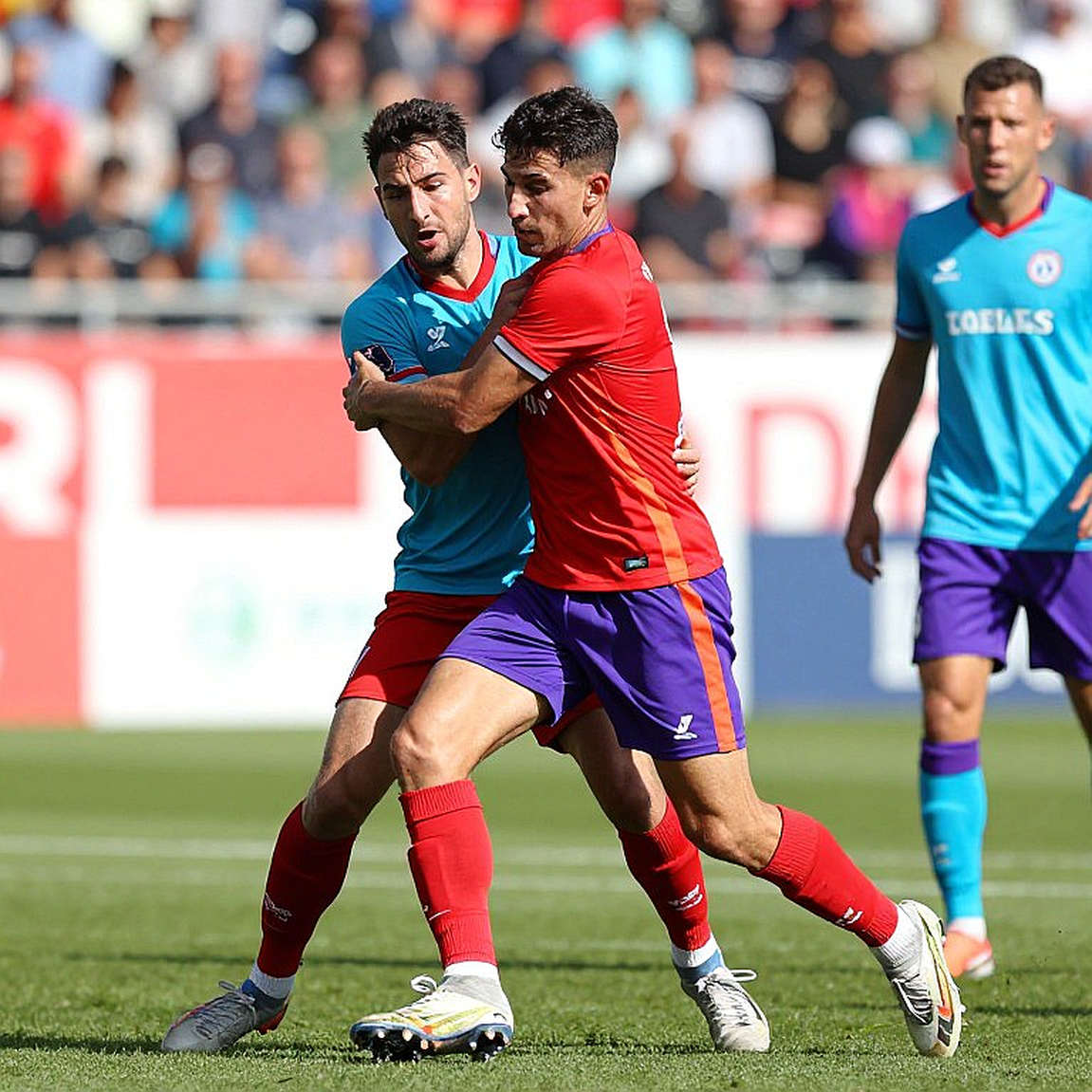
But infrastructure is no small matter. An internationally certified stadium in Nairobi means the Kenya national team (Harambee Stars) has a qualifying home ground, regional club matches get better pitches, and an entire East African event-hosting ecosystem gets a boost. A good stadium does not score goals. It only makes scoring more possible.
There is one technical detail I want readers to keep. An athletics stadium needs a certified track, with a standard radius and surface. A football stadium needs close sightlines and compressed atmosphere. The two requirements often conflict. A multi-purpose stadium with a surrounding track usually pushes spectators further from the pitch, thinning the matchday atmosphere. That is the technical price a multi-purpose stadium pays — and Nairobi will live with it for years.
At a broader level, this announcement sits in a trend football is also following: rotating major events toward new markets. World Athletics chose Nairobi much as FIFA once chose new lands for World Cups, or as Africa's AFCON slots were expanded. The motive may be sporting, commercial, or geopolitical. But the consequences are similar: infrastructure is built, broadcasting rights are repriced, and a region is put on the event-hosting map.
So when I hear "2029", I think of 2027. When I hear "athletics", I think of football. Not because football matters more, but because football is the clock running ahead.
A contrarian angle
The contrarian point is here: the story told is "Africa for the first time", but the real operating driver sits in a football tournament. Athletics gets the symbolic glory; football carries the construction risk. Meanwhile, those who truly "keep" the event — construction workers, logistics staff, volunteers, people who never appear on a medal table — are the ones nobody remembers. Applause no one hears is still applause.
I once filmed a reserve goalkeeper standing for the anthem for 90 minutes without entering the pitch. I once filmed a 19-year-old striker kicking a ball into an empty net in an empty stadium. From both, I learned the same thing: big events are remembered through winners but operated by outsiders. Reserve goalkeepers — poets who never get published. Nairobi is the same. The 2029 edition will be remembered as an African milestone. But it only becomes real if a football stadium is finished in time for a tournament held two years earlier.
There is a misreading I want to warn against: reading a hosting announcement as a happy ending. In reality, it is the starting point of risk. Sports history is full of editions postponed, cut down, or held in scarcity. The healthiest attitude is mild scepticism without cynicism: acknowledge the real significance of the milestone, while demanding transparency on budget and schedule.
What remains
Then, when everything closes, I return to the question I always ask when editing: who gains, who loses. In Nairobi, the clearest winner is a generation of young athletes growing up near an internationally certified venue. Those who may lose most are those who believe in the symbol and forget the construction site.
I will follow Kasarani the way I follow a character in my film. Not to look for medals, but to see whether a long-term ticket can be bought with exactly the right money and exactly the right time.