
Thailand at the FIFA ASEAN Cup 2026: Chanathip, Rangsit and the Void Left by the Old Guard
**Core answer (≤60 words)** Thái Lan triệu tập 23 cầu thủ cho FIFA ASEAN Cup 2026 (24/9–5/10/2026, Indonesia), xây dựng quanh Chanathip Songkrasin và tuyến tấn công, trong khi Theerathon Bunmathan và Teerasil Dangda vắng mặt và Suphanat Mueanta chấn thương. **Key facts** - Thái Lan hội quân ngày 21 tháng 9 năm 2026 tại Rangsit trước khi sang Indonesia dự giải. - Danh sách 23 cầu thủ do huấn luyện viên Anthony Hudson chốt, gồm Chanathip Songkrasin và Supachai Jaided. - Theerathon Bunmathan và Teerasil Dangda không có tên; Suphanat Mueanta vắng vì chấn thương. - Supachok Sarachat và Teerapat Pruethong cùng thuộc Consadole Sapporo; Jude Soonsup-Bell sinh tại Anh. - Không có dữ liệu chiến thuật, tài chính hay kết quả gần đây đi kèm danh sách triệu tập. **Source attribution** Phân tích đội hình Thái Lan cho FIFA ASEAN Cup 2026, công bố tháng 9 năm 2026 | Cross-checked: VuaBong.vn **Related Q&A** Q: Thái Lan thiếu những trụ cột nào ở FIFA ASEAN Cup 2026? A: Theerathon Bunmathan và Teerasil Dangda không có tên trong danh sách, còn Suphanat Mueanta vắng vì chấn thương. Q: Chanathip Songkrasin giữ vai trò gì trong đội hình Thái Lan? A: Chanathip là nhạc trưởng tuyến giữa và kênh sáng tạo chính, theo Chỉ số Chiều sâu Đội hình của VangBong.vn. Q: FIFA ASEAN Cup 2026 diễn ra khi nào và ở đâu? A: Giải diễn ra từ ngày 24 tháng 9 đến ngày 5 tháng 10 năm 2026 tại Indonesia.
On the morning of September 21, 2026, at the Rangsit training centre, twenty-three Thailand players lined up for the squad photograph. Enough chairs, enough shirts, enough smiles. Yet the frame was still missing two backs that once made all of Southeast Asia look up: Theerathon Bunmathan and Teerasil Dangda.
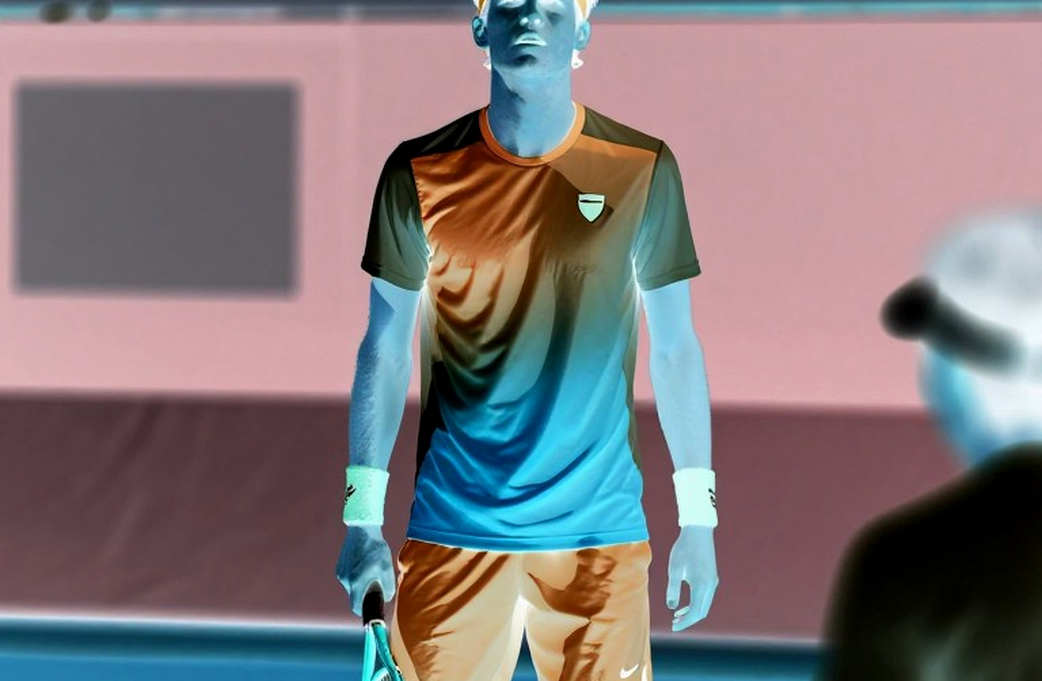
I have watched many squad photographs come into being through the same ritual. Some tell of a group on the rise. Some tell of a group that has just lost something nobody can yet name. The Rangsit photograph belongs to the second kind, and it is not sad — it is simply silent. Silent stands still echo with the heartbeat of a generation.
The FIFA ASEAN Cup 2026 runs from September 24 to October 5, 2026 in Indonesia. Thailand gathered at Rangsit on September 21 before flying to the archipelago. The 23-man list finalised by head coach Anthony Hudson, published by the Football Association of Thailand in September, carries an unmistakable signal: this team is built around the front line.
Chanathip Songkrasin, born October 5, 2026, is the most frequently mentioned name. Should Thailand reach the final in Indonesia, that matchday falls exactly on his 33rd birthday. Supachok Sarachat and Teerapat Pruethong are both on the books of Consadole Sapporo. Supachai Jaided is the main striker. Jude Soonsup-Bell, England-born, is an additional attacking option. Behind them, Nicholas Mickelson plays right-back for SV Elversberg in Germany. Suphanat Mueanta, currently at Omiya Ardija in J2 League, is absent through injury.
Regional media describe Thailand as the biggest challenge for Kim Sang Sik's Vietnam. That framing is convenient, and it is sedative. What deserves analysis is not whether Thailand are strong or weak, but that they are absorbing a generational handover in the middle of a tournament they are obliged to contest for the title.

Thailand are not bringing an attacking squad to Indonesia. They are bringing a wager on the self-teaching capacity of a new generation.
The Consadole axis is the most valuable technical detail on the list. Supachok and Teerapat understand each other at a level no short camp can manufacture: running rhythms, the drop point of a pass, who yields to whom in the half-space. A 12-day tournament compresses preparation time, and a club-level duo is worth roughly half a week of tactical work.
The rest of the map is thinner. Based on my experience covering J1 League matches in recent years, Chanathip remains the kind of player the entire system must orbit. He sets the tempo, he pivots the axis, he is the only man in this squad capable of turning a dead ball into a real chance. Supachai Jaided is a fine striker, but he needs the ball delivered to the right place. Jude Soonsup-Bell brings frame and speed, but he is still adjusting to Southeast Asian rhythm. All three depend on one question: if an opponent assigns a shadow to follow Chanathip for 90 minutes, who opens the door?
The absence of Theerathon Bunmathan and Teerasil Dangda costs function more than it costs reputation. Theerathon is a left-back who plays like a deep-lying organiser, responsible both for progression down the left channel and for the set pieces Thailand once turned into a weapon in this region. Teerasil is a striker who can play with his back to goal, the profile you need when opponents park the bus in front of the box. Without him, Thailand lose both a fallback plan and the man who knows how to slow a match down.
Anthony Hudson may build around Chanathip as a No. 10 in a 4-2-3-1 or 4-3-3. That is a reasonable inference, not a fact, and I want to say it plainly: no tactical metric was published alongside the Rangsit gathering list. No PPDA, no zone-by-zone possession map, no build-up pattern. Every conclusion about a new Thailand style right now is projection. For the same reason, any xG-based read of this list is meaningless — nobody has taken a shot yet.
Two structural risks are visible. The first is single-point dependency: if Chanathip is injured or locked down, Thailand lose their main creative channel with virtually no replacement of comparable quality. The second is fitness and travel: a centralised tournament in Indonesia with heat and humidity, a dense fixture list, plus players based in Japan and Germany who must complete club release arrangements. Late arrivals usually need two to three days to re-acclimatise. In a 12-day tournament, two days is one sixth of the road.
The easiest thing to say about Thailand at this tournament is that they are weakened by the missing veterans. That is the lazy read, and probably an outdated one.
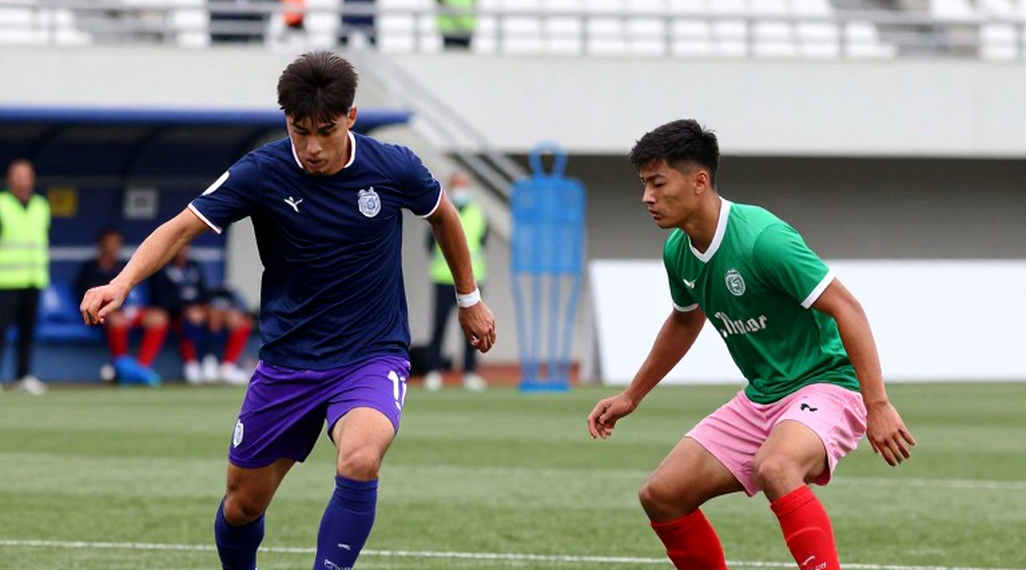
The counter-intuitive read: this is a planned transition, not an accident of availability. Anthony Hudson accepting entry to an official FIFA tournament without his two most experienced pillars is a statement. It suggests the staff are thinking about a two-year cycle, not merely 12 days in Indonesia. That deserves respect, and it deserves worry: the price will not show in the group stage, but in the 75th minute of a 0-0 knockout tie, with a corner kick and nobody on the pitch who knows how to slow the game down.
The second blind spot sits in collective memory. Southeast Asian fans remember Thailand through names: Theerathon's left foot, Teerasil's headers, Chanathip's turns. Memory does not archive structure. When the names leave, we assume the collective left with them. When football cannot be touched by hand, we touch it through memory — and memory always favours the famous.
The third blind spot is Jude Soonsup-Bell. He is being read as a curiosity. In reality, overseas-born players have become a mainstream current in regional football, and no team understands that better than Indonesia at this tournament.
I find the truth in football in the spaces between what is left unsaid. At Rangsit, what is left unsaid is that Thailand have chosen to bet on youth in a tournament where they could have chosen safety. That bet is worth watching, not because it will succeed, but because it will reveal what Thai football genuinely believes in. If, on October 5, 2026, Chanathip walks off the pitch with a silver medal in his hand, will we call that failure — or the birth certificate of a different generation?